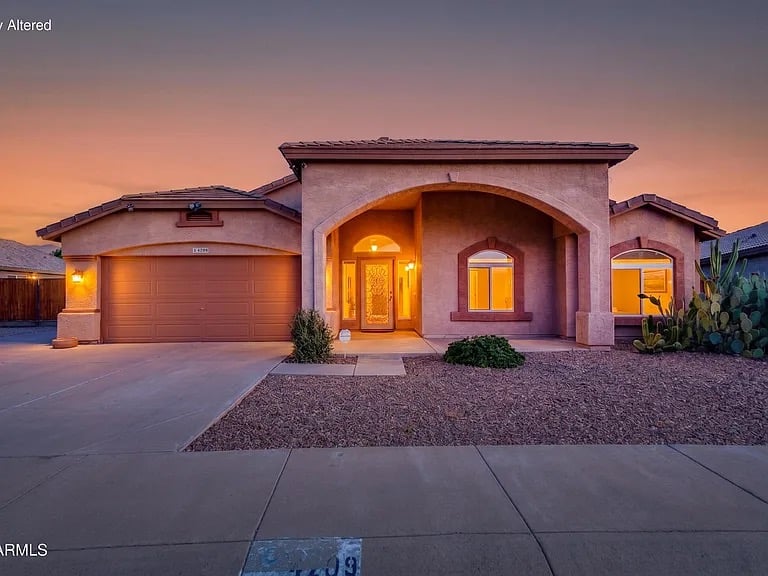
The Phoenix housing market has entered a different phase.
After several years of intense competition and limited inventory, buyers across the Valley are finding themselves with something they haven't had as much of in recent years: options.
A recent report highlighted the shift, noting that Phoenix-metro inventory has increased while demand has remained relatively flat. At the time of the report, more than 22,000 homes were on the market across the Valley.
For buyers, that matters.
More Inventory Means More Choices
When buyers have more homes to choose from, they don't necessarily have to rush.
Instead of immediately competing with multiple offers, buyers may have more time to evaluate a property, compare it with other homes, conduct their inspections, and negotiate the terms of the purchase.
That can create opportunities that simply weren't available when inventory was much tighter.
Negotiating Is Back
One of the biggest changes we're seeing is the return of negotiation.
Depending on the property, buyers may have opportunities to negotiate the purchase price, request seller concessions, negotiate repairs, or structure other terms that make the transaction more attractive.
The KTAR report cited examples of buyers receiving seller concessions, buyer-agent compensation, and even a new air-conditioning unit as part of a transaction.
But there is an important distinction:
More negotiating power doesn't mean every house is a bargain.
Real Estate Is Still Hyper-Local
This is where buyers need to be careful.
The Phoenix metro area is not one single market.
A $1 million home in one neighborhood can behave very differently from a $1 million home somewhere else. The same is true when comparing Phoenix, Scottsdale, Paradise Valley, Arcadia, and other areas throughout the Valley.
Price point, condition, location, inventory, and the type of property you're looking at all matter.
That's why broad headlines like “It's a buyer's market” only tell part of the story.
The better question is:
What kind of market are you actually buying into?
Should Buyers Wait for Interest Rates to Fall?
This is another question I hear often.
Some buyers are waiting for rates to come down before making a move. But waiting for rates to fall can also mean waiting for competition to return.
If rates eventually decline, more buyers may re-enter the market. That could reduce some of the negotiating leverage buyers currently have.
The better strategy isn't necessarily to predict where interest rates are going.
It's to determine whether the home, price, financing and overall deal make sense for you today.
And if rates improve in the future, refinancing may be an option depending on your circumstances.
The Bottom Line
The Phoenix housing market has given buyers more leverage, but that doesn't mean buyers should simply start making low offers on everything.
It means buyers can be more strategic.
Take your time. Compare properties. Understand the neighborhood. Look closely at recent comparable sales. Pay attention to how long a home has been on the market. And most importantly, understand what is actually negotiable.
The market may be more buyer-friendly—but the best opportunities still require knowing where to look.
If you're considering buying in Phoenix, Scottsdale, or Paradise Valley, I'd be happy to help you understand what the current market looks like for the specific area and price point you're considering.